

How to Transfer Funds Between India and Australia: Best Practices
Transferring funds between India and Australia is common for purposes such as education, family support, business payments, and investments. To save time and money, understanding the best practices is essential. This guide provides actionable steps and insights for secure and cost-effective transfers.
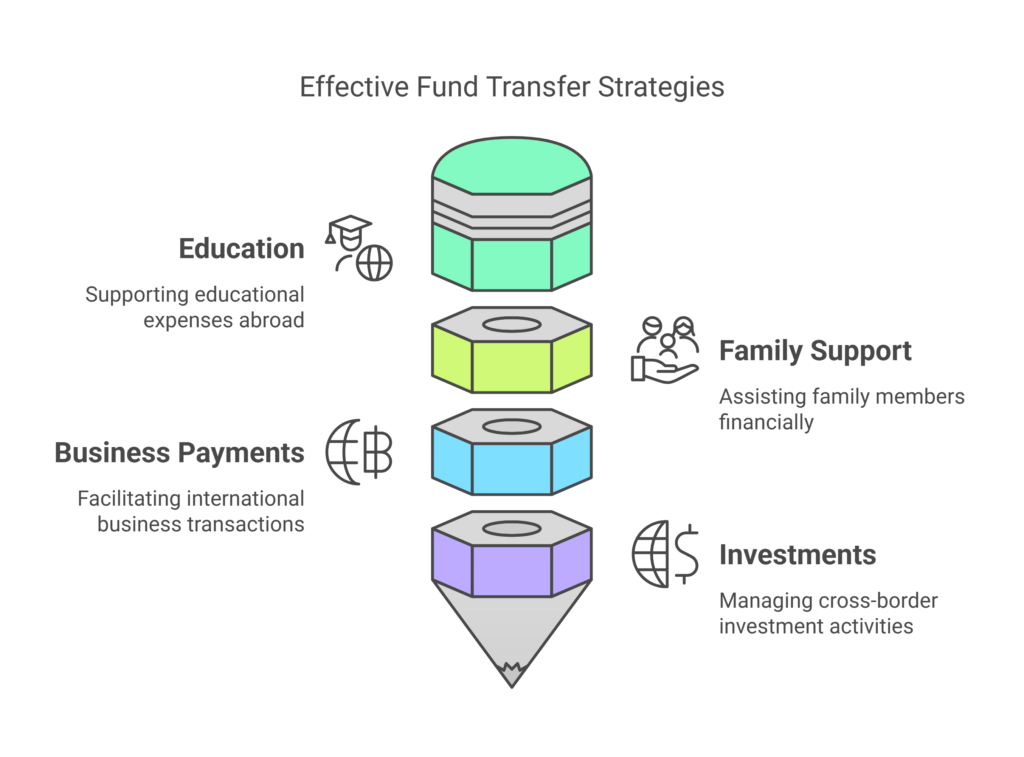
Reasons for Fund Transfers Between India and Australia

- Education: Paying tuition fees for universities in Australia.
- Family Support: Sending money to family members living in Australia.
- Business Transactions: Managing payments for goods, services, or partnerships.
- Investments: Transferring money for real estate or other investments.
Methods to Transfer Funds
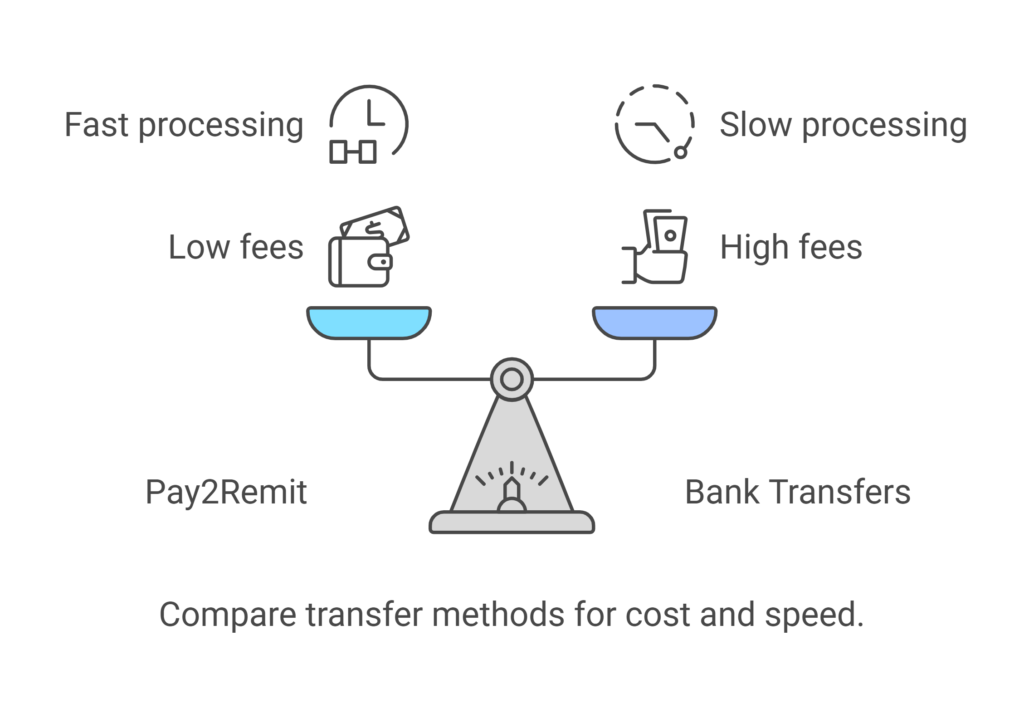
1. Online Remittance Platforms
- Advantages:
- Low fees and competitive exchange rates.
- Fast processing times.
- Example: Platforms like Pay2Remit simplify transfers with transparent costs and secure transactions.
Related Read: Why Pay2Remit Excels as an RBI Authorized Dealer
2. Bank Transfers
- Advantages:
- Familiar and widely used method.
- Disadvantages:
- Higher fees and less competitive exchange rates.
- Longer processing times.
3. Forex Cards
- Best For:
- Students or travelers managing daily expenses.
- Disadvantages:
- Limited to preloaded amounts and higher upfront charges.
4. Peer-to-Peer Transfers
- Advantages:
- Direct transfers between individuals with no intermediaries.
- Risks:
- Less secure than regulated platforms.
Best Practices for Transferring Funds

1. Choose the Right Platform
- Use platforms like Pay2Remit, which offer:
- Transparent fees.
- Competitive exchange rates.
- Faster processing.
2. Monitor Exchange Rates
- Exchange rates between the Indian Rupee (INR) and the Australian Dollar (AUD) fluctuate.
- Transfer funds when rates are favorable.
Related Read: Forex Requirements Guide for Indian Expats
3. Consolidate Transfers
- Avoid multiple small transfers to reduce cumulative fees.
- Larger transfers often result in better rates.
4. Stay Compliant with Regulations
- In India, the Liberalized Remittance Scheme (LRS) allows individuals to remit up to $250,000 per financial year for education, family support, and investments.
- Submit required documents, including:
- PAN card.
- Proof of purpose (e.g., admission letter, invoice).
5. Track Transactions
- Use platforms with real-time tracking to monitor transfer progress.
- Pay2Remit offers updates from initiation to completion.
6. Plan Transfers in Advance
- Avoid transferring funds during volatile market conditions or peak processing periods.
Cost Breakdown
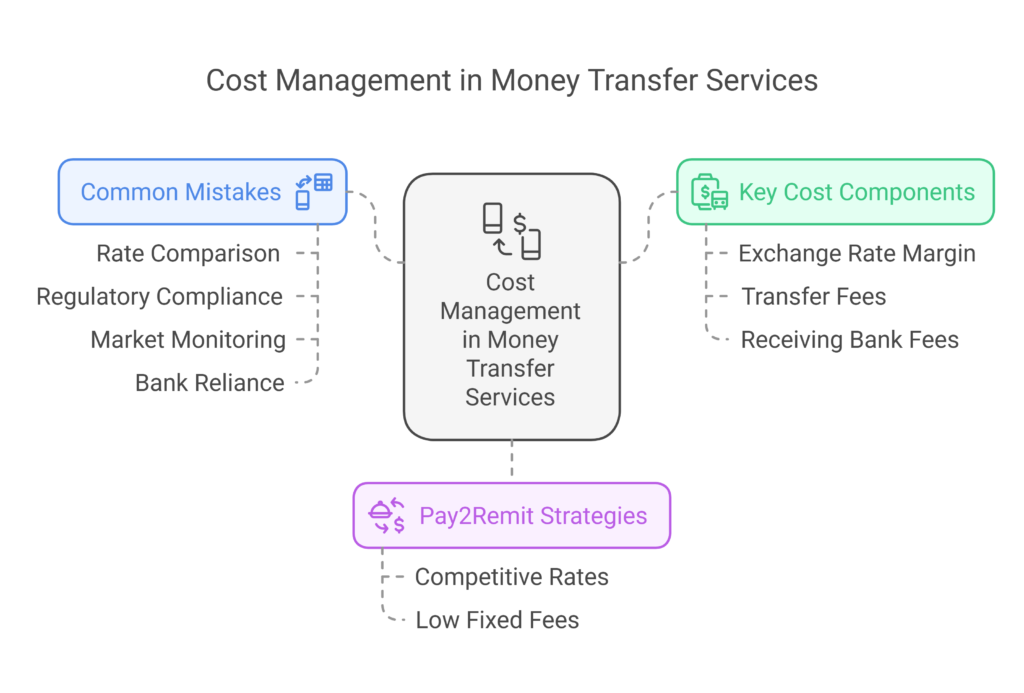
Factors That Influence Transfer Costs
- Exchange Rate Margin: The difference between the market rate and the rate offered by the provider.
- Transfer Fees: Fixed or percentage-based fees charged per transaction.
- Receiving Bank Fees: Fees charged by the recipient’s bank in Australia.
How Pay2Remit Minimizes Costs
- Offers rates close to the mid-market rate.
- Low fixed fees with no hidden charges.
Common Mistakes to Avoid
- Using Platforms Without Comparing Rates
- Always compare rates before choosing a platform.
- Ignoring Regulatory Requirements
- Ensure all required documentation is submitted to avoid delays.
- Delaying Transfers During Market Fluctuations
- Monitor exchange rates and act when rates are favorable.
- Relying on Traditional Banks
- Banks often charge higher fees and offer less competitive rates.
FAQs
1. What is the best method to send money to Australia?
Online remittance platforms like Pay2Remit offer low fees, fast processing, and secure transactions.
2. How long does it take to transfer money to Australia?
Using Pay2Remit, transactions are typically completed within 1-2 business days.
3. Are transfers between India and Australia taxable?
Transfers under the LRS limit are not taxable, but TCS may apply for amounts exceeding ₹7 lakh per year.
Learn More: TCS and International Transfers: What You Need to Know in 2025
4. Can I track my transaction?
Yes, platforms like Pay2Remit provide real-time tracking for all transactions.
Why Use Pay2Remit for Transfers Between India and Australia?
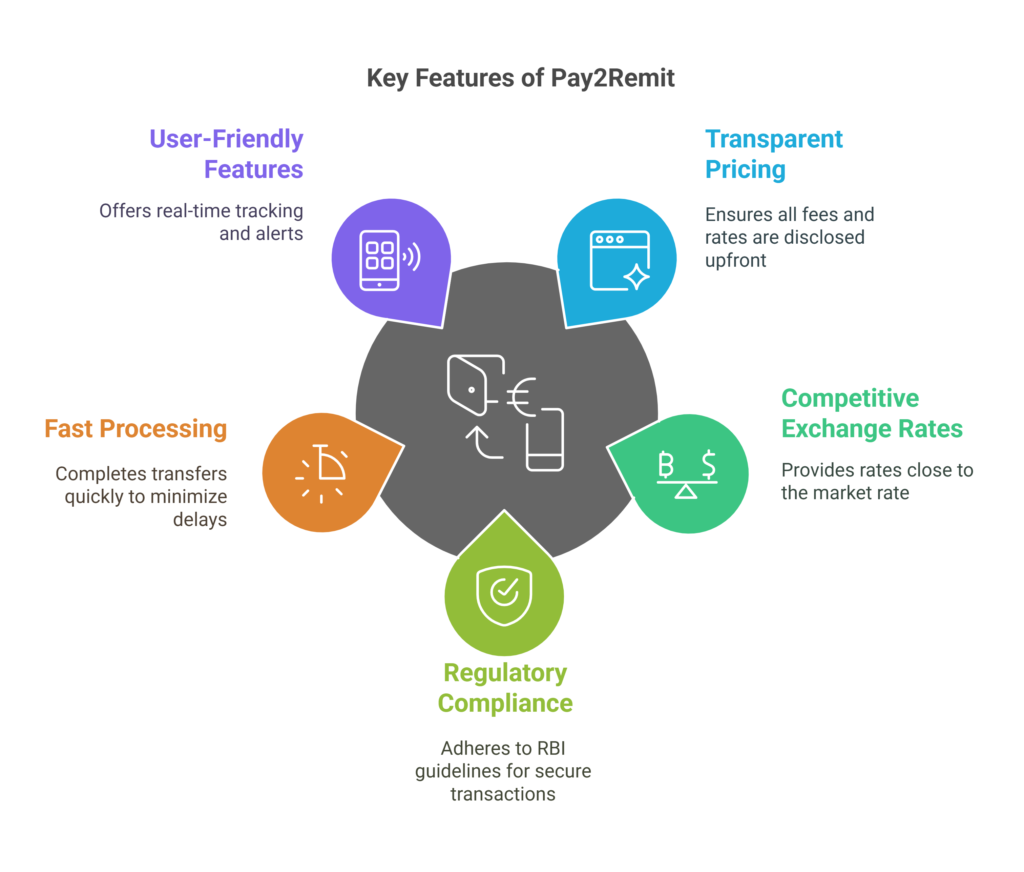
- Transparent Pricing
- All fees and rates are disclosed upfront.
- Competitive Exchange Rates
- Get rates close to the market rate to maximize value.
- Regulatory Compliance
- Pay2Remit adheres to RBI guidelines, ensuring secure and lawful transactions.
- Fast Processing
- Transfers are completed quickly, minimizing delays.
- User-Friendly Features
- Real-time tracking and exchange rate alerts.
Conclusion
Transferring funds between India and Australia can be simple and cost-effective with the right approach. Use trusted platforms like Pay2Remit, monitor exchange rates, and stay compliant with regulations to optimize your transactions. By following these best practices, you can save money and ensure secure transfers.
Start Your Transfer Today: Visit Pay2Remit to experience seamless fund transfers between India and Australia.