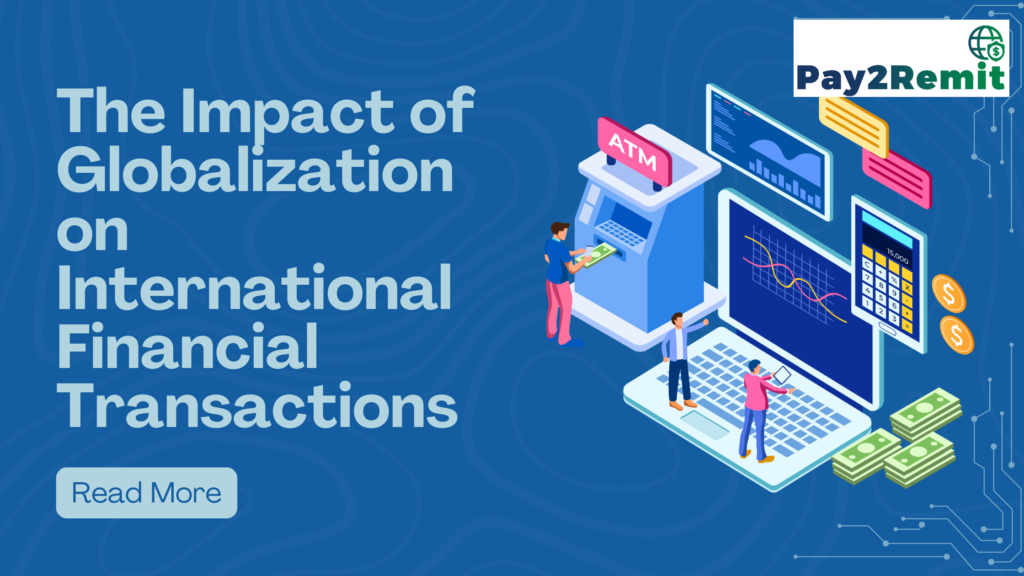
Globalization refers to the process by which businesses, cultures, and economies become integrated and interconnected on a global scale. It involves the exchange of goods, services, information, technology, and capital across national borders, leading to a more interconnected and interdependent world. Globalization is driven by advancements in communication and transportation technologies, as well as policies promoting trade and investment liberalization.
Overview of International Financial Transactions
International financial transactions encompass a wide range of activities, including the transfer of money across borders, foreign investments, international trade payments, and currency exchanges. These transactions facilitate global trade and investment, enabling businesses and individuals to engage in economic activities beyond their domestic markets. Key components of international financial transactions include cross-border payments, foreign exchange (Forex) markets, and international banking services.
Historical Context of Global Financial Integration
The history of global financial integration dates back centuries, but significant advancements have occurred in recent decades. Key historical milestones include:
- Early Trade Routes and Banking Systems: Ancient trade routes, such as the Silk Road, facilitated the exchange of goods and money across continents. Early banking systems, like those in Renaissance Italy, laid the foundation for international finance.
- Gold Standard Era (1870-1914): The adoption of the gold standard created a system of fixed exchange rates, promoting international trade and investment. This period saw significant growth in global financial integration.
- Post-World War II (Bretton Woods System): Established in 1944, the Bretton Woods system created a framework for international monetary cooperation, leading to the formation of the International Monetary Fund (IMF) and the World Bank. Fixed exchange rates pegged to the US dollar, which was convertible to gold, stabilized global financial markets.
- Modern Era of Floating Exchange Rates: Following the collapse of the Bretton Woods system in the early 1970s, major currencies moved to floating exchange rates, allowing market forces to determine currency values. This shift, along with advances in technology and deregulation, spurred the rapid growth of international financial markets and transactions.
- The Digital Revolution: The advent of the internet and digital technologies in the late 20th and early 21st centuries revolutionized global finance. Online banking, electronic payments, and digital currencies have further enhanced the speed and efficiency of international financial transactions.
Globalization and international financial transactions are closely intertwined, shaping the way economies operate and interact on a global scale. Understanding this relationship is crucial for comprehending the complexities and opportunities of the modern global economy.
2. Key Drivers of Globalization
Technological Advancements
Technological advancements have been pivotal in driving globalization, particularly in the realm of international financial transactions. Innovations in communication and information technology have made it easier and faster to transfer money and conduct financial operations across borders.
- Internet and Mobile Banking: The rise of the internet and mobile banking has revolutionized the way people and businesses manage their finances. Online banking platforms and mobile apps allow users to transfer funds, pay bills, and manage accounts from anywhere in the world. This accessibility and convenience have facilitated greater participation in the global economy.
- Blockchain and Cryptocurrency: Blockchain technology and cryptocurrencies have introduced new ways of conducting secure and transparent financial transactions. Cryptocurrencies like Bitcoin and Ethereum enable peer-to-peer transactions without the need for intermediaries, reducing transaction costs and increasing the speed of cross-border payments. Blockchain’s decentralized ledger system ensures transparency and security, which is crucial for international transactions.
Economic Policies
Economic policies play a significant role in promoting globalization by creating favorable conditions for trade and investment across borders.
- Trade Agreements: Trade agreements between countries reduce tariffs and other barriers to trade, facilitating the free flow of goods, services, and capital. Agreements such as NAFTA, the European Union, and more recently, the Comprehensive and Progressive Agreement for Trans-Pacific Partnership (CPTPP) have significantly enhanced global trade and financial integration.
- Deregulation and Liberalization: Deregulation and liberalization policies remove restrictions on foreign investments and financial services, encouraging cross-border economic activities. Financial deregulation in the 1980s and 1990s allowed for the free movement of capital and the growth of international financial markets.
Political Factors
Political stability and policies are crucial for fostering an environment conducive to globalization and international financial transactions.
- Role of International Organizations (IMF, World Bank): International organizations like the International Monetary Fund (IMF) and the World Bank play a key role in promoting global financial stability and development. They provide financial assistance, policy advice, and technical support to countries, helping them integrate into the global economy. These organizations also facilitate cooperation and coordination among nations on economic policies and regulations.
- Political Stability and Economic Policies: Political stability is essential for attracting foreign investment and fostering economic growth. Stable governments are more likely to implement consistent economic policies that support globalization. Additionally, policies promoting economic openness, such as low trade barriers and investment-friendly regulations, are critical for facilitating international financial transactions.
The key drivers of globalization encompass technological advancements, economic policies, and political factors. Together, these elements have created a more interconnected and integrated global economy, enabling the seamless flow of goods, services, and capital across borders. Understanding these drivers is essential for grasping the complexities and opportunities of the modern global financial landscape.
3. Effects of Globalization on Financial Transactions
Increased Volume of Cross-Border Transactions
Globalization has significantly increased the volume of cross-border transactions. As businesses and individuals engage in international trade and investments, the demand for cross-border financial services has surged. This trend is evident in the rise of global trade, foreign direct investment (FDI), and remittances. Financial institutions have responded by expanding their international services, facilitating a higher number of transactions between countries.
Enhanced Efficiency and Speed
Globalization has led to remarkable improvements in the efficiency and speed of financial transactions. Innovations in technology and communication have streamlined financial processes, reducing the time it takes to complete transactions.
- Real-Time Payments: Real-time payment systems allow for the instant transfer of funds between accounts, eliminating the delays associated with traditional banking methods. This capability is crucial for businesses that require quick settlement of payments to maintain liquidity and operational efficiency.
- Automation in Financial Processes: Automation has revolutionized financial processes, reducing the need for manual intervention and minimizing errors. Automated systems handle tasks such as transaction processing, compliance checks, and fraud detection, making financial operations faster and more reliable. This automation also allows for scalability, enabling financial institutions to handle larger transaction volumes efficiently.
Reduced Transaction Costs
One of the significant benefits of globalization is the reduction in transaction costs, making cross-border transactions more affordable for businesses and individuals.
- Competitive Exchange Rates: Increased competition among financial service providers has led to more competitive exchange rates. Financial institutions and fintech companies vie for customers by offering better rates, ensuring that individuals and businesses get the best value when exchanging currencies.
- Lower Fees Due to Increased Competition: The globalization of financial services has intensified competition among banks, fintech companies, and other financial intermediaries. This competition has driven down the fees associated with cross-border transactions. Lower fees make international financial services more accessible and attractive, encouraging more participants to engage in global financial activities.
So, globalization has profoundly impacted financial transactions by increasing the volume of cross-border transactions, enhancing efficiency and speed, and reducing transaction costs. Real-time payments, automation in financial processes, competitive exchange rates, and lower fees have collectively transformed the global financial landscape, making it easier and more cost-effective for businesses and individuals to conduct international financial transactions. Understanding these effects is essential for leveraging the opportunities presented by globalization in the financial sector.
4. Technology and Innovation in Global Financial Transactions
Role of Fintech in Shaping the Industry
Fintech, or financial technology, has played a transformative role in the global financial landscape. Fintech companies leverage innovative technologies to provide financial services that are more accessible, efficient, and user-friendly. These advancements have democratized access to financial services, particularly for individuals and businesses in underserved regions. Fintech solutions have disrupted traditional banking by offering alternatives that are faster, cheaper, and often more secure.
Mobile Payment Solutions
Mobile payment solutions have revolutionized the way people conduct financial transactions, particularly in developing countries where access to traditional banking is limited. Mobile payment platforms, such as PayPal, Venmo, and Alipay, allow users to transfer money, pay bills, and make purchases using their smartphones. These solutions provide:
- Convenience: Users can perform financial transactions anytime and anywhere, without needing a physical bank or computer.
- Speed: Transactions are processed almost instantaneously, improving cash flow and financial management.
- Inclusivity: Mobile payments have brought financial services to millions of unbanked and underbanked individuals worldwide.
Digital Wallets
Digital wallets, such as Apple Pay, Google Wallet, and Samsung Pay, offer a secure and convenient way to store and use payment information. Digital wallets enhance the user experience by integrating multiple payment methods, loyalty programs, and even identification cards into a single platform. They provide:
- Security: Advanced encryption and biometric authentication protect users’ financial data.
- Ease of Use: Digital wallets simplify transactions by allowing users to make payments with a single tap or scan.
- Integration: They seamlessly integrate with various services and devices, making them versatile tools for managing finances.
Impact of Blockchain Technology
Blockchain technology has introduced significant innovations in the financial sector, primarily by enhancing the security and transparency of transactions.
- Secure and Transparent Transactions: Blockchain’s decentralized ledger system records transactions in a secure and immutable manner. Each transaction is verified by a network of computers, ensuring accuracy and preventing fraud. The transparency of blockchain allows all participants to view transaction histories, fostering trust and accountability.
- Decentralized Finance (DeFi): DeFi leverages blockchain technology to create decentralized financial applications that operate without intermediaries like banks. DeFi platforms offer a range of services, including lending, borrowing, trading, and investing, often with lower fees and greater accessibility. This democratization of financial services empowers users to have more control over their assets and participate in global financial markets.
So, technology and innovation are at the forefront of transforming global financial transactions. Fintech has reshaped the industry by introducing mobile payment solutions and digital wallets that enhance convenience, speed, and security. Blockchain technology has further revolutionized the sector by enabling secure, transparent transactions and fostering the growth of decentralized finance. These advancements have made financial services more accessible and efficient, driving the ongoing evolution of the global financial landscape.
5. Regulatory and Compliance Challenges
Global Regulatory Landscape
The global regulatory landscape for international financial transactions is complex and varied. Each country has its own regulatory framework governing financial activities, reflecting its legal, economic, and political environment. This diversity poses significant challenges for businesses and financial institutions operating across borders, as they must navigate and comply with multiple sets of rules and standards.
Differences in Regulatory Frameworks
Differences in regulatory frameworks across countries can create barriers to seamless international financial transactions. These differences may include:
- Licensing Requirements: Different jurisdictions have varying requirements for obtaining licenses to operate financial services.
- Compliance Standards: Standards for financial reporting, disclosure, and consumer protection can differ widely.
- Transaction Monitoring: The methods and thresholds for monitoring and reporting suspicious transactions vary from one country to another.
These discrepancies can lead to increased compliance costs and operational complexities for multinational companies and financial institutions.
Harmonization Efforts by International Bodies
To address the challenges posed by diverse regulatory frameworks, international bodies such as the Financial Action Task Force (FATF), the International Monetary Fund (IMF), and the Basel Committee on Banking Supervision work towards harmonizing regulations. These efforts aim to:
- Standardize Compliance Requirements: Develop global standards for financial transactions, reporting, and monitoring.
- Facilitate Cross-Border Cooperation: Promote collaboration and information-sharing between regulatory authorities.
- Enhance Regulatory Consistency: Encourage countries to align their regulations with international best practices.
Harmonization efforts help reduce regulatory fragmentation and support more efficient and secure global financial transactions.
Anti-Money Laundering (AML) and Counter-Terrorism Financing (CTF) Measures
AML and CTF measures are critical components of the regulatory framework for international financial transactions. These measures aim to prevent financial systems from being used for illicit activities, such as money laundering and terrorism financing. Key elements include:
- Customer Due Diligence (CDD): Financial institutions must verify the identity of their customers and assess the risk of their transactions.
- Suspicious Activity Reporting (SAR): Institutions are required to report any transactions that appear suspicious or indicative of criminal activity.
- Sanctions Compliance: Compliance with international sanctions regimes, which prohibit transactions with certain individuals, entities, or countries.
AML and CTF measures are essential for maintaining the integrity of the global financial system and preventing financial crimes.
Data Privacy and Security Regulations
Data privacy and security are paramount in the context of international financial transactions. Regulations such as the General Data Protection Regulation (GDPR) in the European Union and the California Consumer Privacy Act (CCPA) in the United States set stringent requirements for protecting personal data. Key aspects include:
- Data Protection: Ensuring that personal and financial data are stored securely and accessed only by authorized personnel.
- Consent and Transparency: Obtaining explicit consent from customers for data collection and processing, and providing clear information about how their data will be used.
- Breach Notification: Promptly informing customers and regulators in the event of a data breach.
Compliance with data privacy and security regulations is crucial for building trust with customers and safeguarding sensitive information.
Navigating the regulatory and compliance challenges of international financial transactions requires a thorough understanding of the global regulatory landscape, recognition of differences in regulatory frameworks, and awareness of ongoing harmonization efforts. AML and CTF measures play a critical role in preventing financial crimes, while data privacy and security regulations ensure the protection of personal information. Businesses and financial institutions must stay informed and adapt to these evolving regulations to operate effectively and securely in the global marketplace.
6. Risks and Challenges in Global Financial Transactions
Currency Fluctuations and Exchange Rate Risks
Currency fluctuations and exchange rate risks are inherent challenges in global financial transactions. These risks arise due to the constant changes in the value of one currency relative to another. Key aspects include:
- Exchange Rate Volatility: Exchange rates can fluctuate significantly due to factors such as economic data releases, geopolitical events, and changes in monetary policy.
- Transaction Timing: The timing of transactions can greatly affect the final amount received or paid when converting currencies. Delays in processing can lead to unfavorable exchange rates.
- Hedging Strategies: To mitigate exchange rate risks, businesses often use hedging strategies like forward contracts, options, and futures to lock in exchange rates and protect against adverse movements.
Political and Economic Instability
Political and economic instability in different countries can significantly impact global financial transactions. Key considerations include:
- Government Policies: Changes in government policies, such as capital controls, trade restrictions, and tax regulations, can affect the flow of funds across borders.
- Economic Crises: Economic downturns, hyperinflation, and recessions can lead to increased financial risk and uncertainty.
- Geopolitical Tensions: Political conflicts, sanctions, and other geopolitical issues can disrupt international financial transactions and increase the cost and complexity of doing business globally.
Cybersecurity Threats
Cybersecurity threats are a major concern for global financial transactions, as they can compromise the security and integrity of financial systems. Key threats include:
- Hacking and Data Breaches: Cybercriminals target financial institutions and transaction platforms to steal sensitive information and funds.
- Phishing and Social Engineering: Fraudsters use deceptive tactics to trick individuals into revealing confidential information or authorizing fraudulent transactions.
- Ransomware: Attackers encrypt critical data and demand a ransom for its release, disrupting financial operations and causing significant financial losses.
Fraud and Identity Theft
Fraud and identity theft pose significant risks in global financial transactions. These activities can result in substantial financial losses and damage to reputation. Key aspects include:
- Unauthorized Transactions: Fraudsters may use stolen or counterfeit identities to initiate unauthorized transactions, leading to financial losses for individuals and businesses.
- Account Takeover: Criminals gain unauthorized access to accounts, often through phishing or malware, and conduct fraudulent activities.
- Detection and Prevention: Implementing robust fraud detection and prevention measures, such as multi-factor authentication, transaction monitoring, and identity verification, is crucial to mitigate these risks.
Data Breaches
Data breaches can have severe consequences for global financial transactions, including financial losses, regulatory penalties, and reputational damage. Key factors include:
- Sensitive Information Exposure: Data breaches can expose sensitive information, such as personal identification details, financial data, and transaction records, to unauthorized parties.
- Compliance Violations: Breaches of data protection regulations, such as GDPR or CCPA, can result in substantial fines and legal actions.
- Mitigation Strategies: Implementing strong data security measures, such as encryption, access controls, and regular security audits, can help prevent data breaches and protect sensitive information.
So, managing the risks and challenges associated with global financial transactions requires a comprehensive approach that includes understanding and mitigating currency fluctuations, preparing for political and economic instability, enhancing cybersecurity measures, preventing fraud and identity theft, and protecting against data breaches. By proactively addressing these risks, businesses and financial institutions can safeguard their operations and ensure the smooth and secure execution of international financial transactions.
7. Future Trends in International Financial Transactions
Increasing Adoption of Digital Currencies
The landscape of international financial transactions is evolving rapidly with the increasing adoption of digital currencies. Key points include:
- Cryptocurrencies: Bitcoin, Ethereum, and other cryptocurrencies are being increasingly used for cross-border payments due to their decentralized nature, lower transaction costs, and faster processing times compared to traditional banking systems.
- Central Bank Digital Currencies (CBDCs): Several countries are exploring or implementing CBDCs to enhance the efficiency, security, and accessibility of their financial systems. CBDCs could streamline international transactions by reducing intermediaries and providing real-time settlements.
- Stablecoins: Stablecoins, which are pegged to traditional currencies like the USD or EUR, offer a stable value and are gaining traction for international transactions, providing a bridge between fiat and digital currencies.
Growth of E-Commerce and Its Impact on Global Payments
The growth of e-commerce is significantly influencing global payments and financial transactions. Key aspects include:
- Cross-Border E-Commerce: The rise in cross-border online shopping has increased the demand for efficient and secure international payment solutions. Consumers and businesses require payment platforms that support multiple currencies and payment methods.
- Payment Gateways: Advanced payment gateways are facilitating seamless transactions by integrating various payment options, including credit/debit cards, digital wallets, and cryptocurrencies.
- Mobile Payments: The proliferation of smartphones has led to a surge in mobile payments, allowing consumers to make purchases and transfer funds globally with ease.
The Role of Artificial Intelligence and Machine Learning
Artificial intelligence (AI) and machine learning (ML) are transforming international financial transactions by enhancing efficiency, security, and customer experience. Key areas of impact include:
- Predictive Analytics: AI and ML are used to analyze vast amounts of transaction data to predict future trends, optimize currency conversion rates, and improve decision-making processes for businesses and financial institutions.
- Fraud Detection: Advanced AI algorithms can detect and prevent fraudulent activities by identifying unusual patterns and anomalies in transaction data in real-time. This proactive approach enhances security and reduces the risk of financial losses.
- Personalized Services: AI-driven insights enable financial institutions to offer personalized services and recommendations to customers, improving their overall experience and satisfaction.
The future of international financial transactions is being shaped by the increasing adoption of digital currencies, the growth of e-commerce, and the advancements in AI and ML. These trends are driving greater efficiency, security, and innovation in the global financial landscape. As digital currencies become more mainstream, e-commerce continues to expand, and AI technologies evolve, the way we conduct and manage international financial transactions will continue to transform, offering new opportunities and challenges for businesses, consumers, and financial institutions alike.
8. Best Practices for Businesses and Individuals
Strategies for Managing Currency Risks
Effective management of currency risks is crucial for both businesses and individuals engaged in international financial transactions. Key strategies include:
- Hedging: Utilize financial instruments such as forward contracts, futures, options, and swaps to hedge against currency fluctuations. This helps lock in exchange rates for future transactions, providing predictability and reducing risk.
- Diversification: Spread investments and transactions across multiple currencies and markets to minimize the impact of adverse currency movements in any single market.
- Currency Accounts: Maintain accounts in multiple currencies to reduce the need for frequent conversions and minimize exposure to exchange rate volatility.
Choosing the Right Financial Partners
Selecting reliable financial partners is essential for ensuring smooth and secure international transactions. Considerations include:
- Reputation and Reliability: Choose financial institutions and payment platforms with a strong reputation for security, reliability, and customer service. Look for reviews, ratings, and testimonials from other users.
- Cost-Effectiveness: Compare fees, exchange rates, and other costs associated with different financial partners. Opt for those offering competitive rates and transparent fee structures.
- Technology and Innovation: Partner with institutions that leverage advanced technologies such as blockchain, AI, and machine learning to enhance transaction security, efficiency, and user experience.
Importance of Staying Informed About Regulatory Changes
Staying updated on regulatory changes is vital for compliance and risk management. Key practices include:
- Regular Monitoring: Keep abreast of changes in financial regulations, tax laws, and compliance requirements in the countries you operate in or transact with. This includes updates from regulatory bodies such as the IMF, World Bank, and local financial authorities.
- Professional Advice: Consult with financial advisors, legal experts, and compliance professionals to understand the implications of regulatory changes and ensure your transactions remain compliant.
- Continuous Education: Engage in continuous learning through seminars, webinars, industry reports, and professional courses to stay informed about the latest trends and regulatory developments in international finance.
Hence the effective management of currency risks, choosing the right financial partners, and staying informed about regulatory changes are critical best practices for businesses and individuals involved in international financial transactions. By implementing these strategies, you can enhance transaction security, optimize financial outcomes, and ensure compliance with global financial regulations.
9. Conclusion
Recap of Globalization’s Impact on Financial Transactions
Globalization has profoundly reshaped the landscape of international financial transactions, introducing a multitude of changes and opportunities. Key impacts include:
- Increased Transaction Volume: The rise in global trade and investment has led to a significant increase in cross-border financial transactions.
- Enhanced Efficiency and Speed: Advances in technology and communication have accelerated transaction processing times, enabling real-time payments and improved financial operations.
- Cost Reductions: Greater competition and technological innovations have driven down transaction costs, providing more cost-effective solutions for businesses and individuals.
Overall, globalization has created a more interconnected and dynamic financial environment, characterized by faster, cheaper, and more transparent transactions.
The Importance of Adaptation and Innovation
In a rapidly evolving financial landscape, adaptation and innovation are crucial for staying competitive and resilient. Organizations and individuals must:
- Embrace Change: Stay agile and open to new technologies, business models, and regulatory requirements to maintain relevance and efficiency.
- Invest in Technology: Adopt and integrate cutting-edge technologies such as AI, blockchain, and fintech solutions to enhance financial operations and address emerging challenges.
- Continuously Improve: Regularly assess and update financial strategies, tools, and practices to align with current trends and future developments.
Encouragement to Embrace Technological Advancements
Embracing technological advancements is essential for maximizing the benefits of globalization. Key areas to focus on include:
- Digital Currencies: Explore the potential of cryptocurrencies and digital assets to diversify financial operations and investment strategies.
- E-Commerce Growth: Leverage the rise of e-commerce to expand market reach and enhance payment processing capabilities.
- AI and Machine Learning: Utilize AI and machine learning for predictive analytics, fraud detection, and improved decision-making.
By adopting these technologies, businesses and individuals can enhance efficiency, security, and overall financial performance.